
• Ultrasound Scanning: We are open 8am - 10pm

Early Gender Blood Test (from 6 weeks)

Home/Early Gender Blood Test (from 6 weeks)
Early Gender Blood Test UK

Early Gender Blood Test (from 6 weeks)

Home/Early Gender Blood Test (from 6 weeks)

Discover your baby’s sex earlier than ever with our clinical-grade DNA blood test.

Waiting for a mid-pregnancy scan can feel like an eternity. Our Early Gender Blood Test offers a fast, highly accurate way to determine the biological sex of your baby from the very start of your second month of pregnancy. Conducted by our professional mobile team in the privacy of your own home, this service skips the clinic queues and provides results with over 99% accuracy.
What This Scan Includes

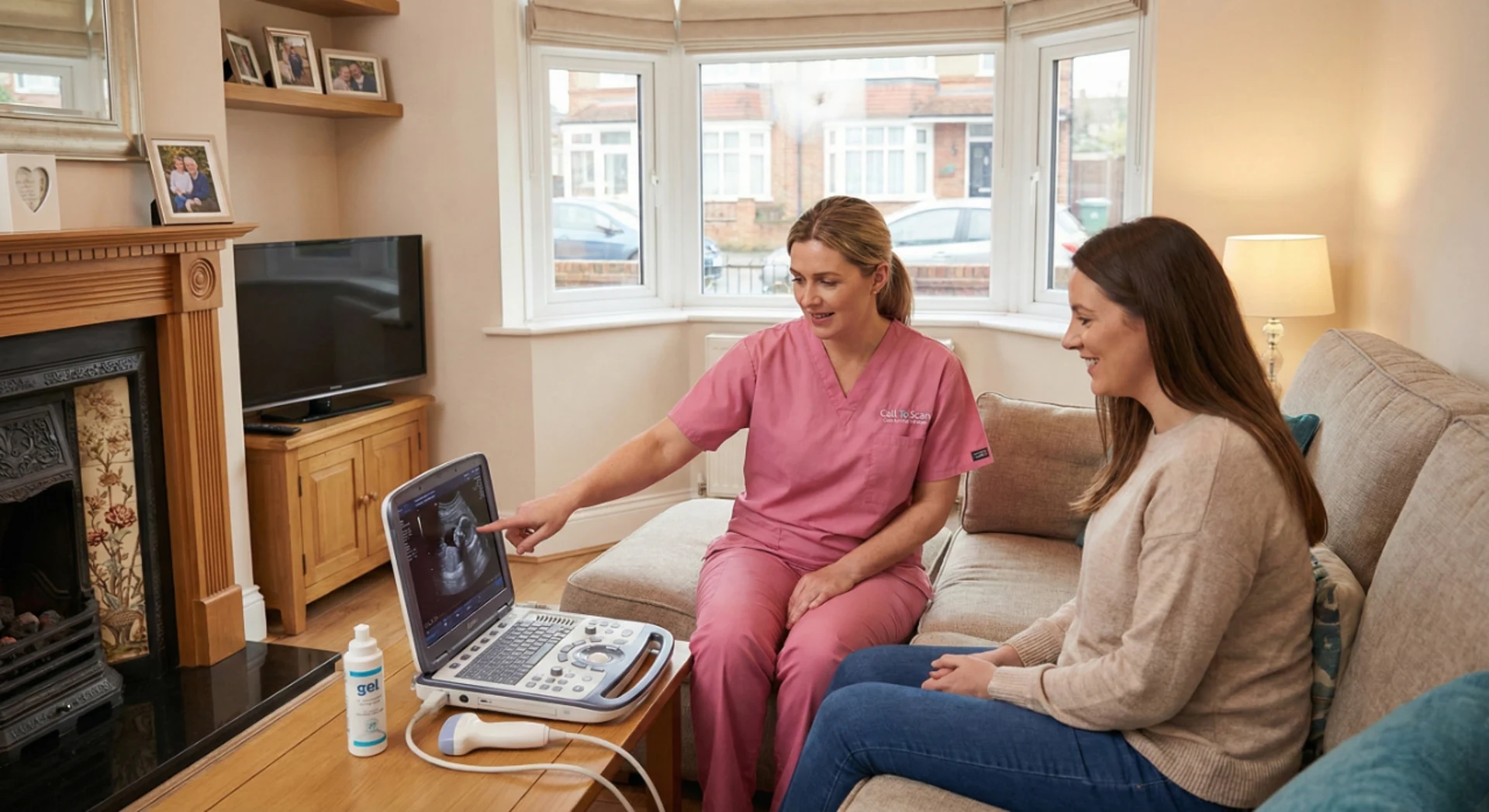
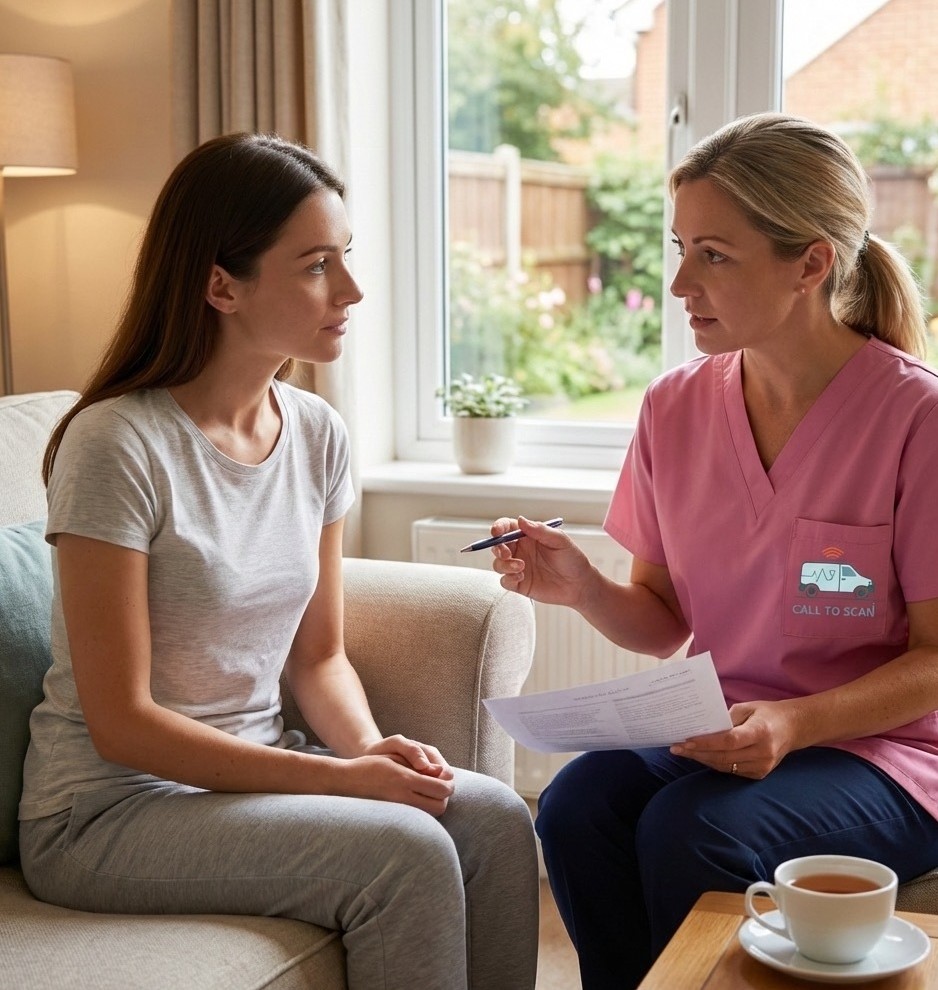
  • Professional Home Visit: EA qualified clinician travels to your doorstep to perform the procedure in a comfortable environment.
  • Clinical Blood Draw: A quick and sterile blood sample collection (SneakPeek Clinical) to identify the presence of Y-chromosomes.
  • Early Detection: Testing available from as early as 6 weeks gestation.
  • Fast Laboratory Results: Your sample is processed in a specialist lab with results delivered securely to your email.
  • Expert Care: Safe and professional handling of your samples from collection to the laboratory.

Early Gender Blood Test (from 6 weeks) frequently asked questions

How early can I take the test?

You can discover your baby’s gender from as early as 6 weeks into your pregnancy. To ensure there is enough fetal DNA in your bloodstream for an accurate result, we recommend being at least 6 weeks along. If you are unsure of your dates, we can combine this test with a dating scan to confirm your eligibility.

How accurate is the test?

Our early gender blood test is 99.9% accurate. It is the most sensitive and reliable method for early gender determination available today—significantly more accurate than early “nub theory” ultrasound scans.

Is the test safe for me and my baby?

Absolutely. This is a Non-Invasive Prenatal Test (NIPT). Unlike invasive tests like amniocentesis, this requires only a simple blood draw from your arm. There is zero risk to the pregnancy or the baby.

What if I’m having twins?
  • If no Y chromosome is found: You are having two girls.

  • If a Y chromosome is found: You are having at least one boy. Note: The test cannot currently distinguish if the second twin is a boy or a girl in fraternal twin pregnancies if a Y chromosome is detected.

Can anything affect my results?

The most common cause of a “false” result is male DNA contamination. Because the test is so sensitive, even a tiny amount of male DNA (from a partner or male pet) on the skin during a finger-prick test can skew the result.


Frequently Asked Questions

What are the different types of care homes?

The different types of care homes are residential homes, nursing homes, and specialist care homes, such as dementia care homes. Other types of residential care include assisted living and retirement villages. 

What is the difference between a residential care home and a nursing home?

The main difference between a residential home and a nursing home is that a nursing home has a qualified nurse on-site 24-hours a day to provide necessary medical care. This means nursing homes can provide a higher level of care. 

Can I change care homes if I am not happy?

If you or a loved one have moved into a care home but feel that you struggle to settle in, it is not the right fit or the location stops family from visiting regularly, you can change care homes. Make sure that you have read the terms of your contract to avoid any issues.

Can I get help with paying for care home fees?

Depending on your financial circumstances and your care needs, you may be able to receive help with paying your care costs. If you have capital below a certain amount, which varies between countries in the UK, your local authority will contribute towards your fees. The NHS may cover your nursing care fees in some circumstances and there are a few benefits you can claim while living in a care home. 

Early Gender Blood Test (from 6 weeks)

Early Gender Blood Test UK

Frequently Asked Questions

What are the different types of care homes?

The different types of care homes are residential homes, nursing homes, and specialist care homes, such as dementia care homes. Other types of residential care include assisted living and retirement villages. 

What is the difference between a residential care home and a nursing home?

The main difference between a residential home and a nursing home is that a nursing home has a qualified nurse on-site 24-hours a day to provide necessary medical care. This means nursing homes can provide a higher level of care. 

Can I change care homes if I am not happy?

If you or a loved one have moved into a care home but feel that you struggle to settle in, it is not the right fit or the location stops family from visiting regularly, you can change care homes. Make sure that you have read the terms of your contract to avoid any issues.

Can I get help with paying for care home fees?

Depending on your financial circumstances and your care needs, you may be able to receive help with paying your care costs. If you have capital below a certain amount, which varies between countries in the UK, your local authority will contribute towards your fees. The NHS may cover your nursing care fees in some circumstances and there are a few benefits you can claim while living in a care home. 

Our Specialists